
Getting a Diagnosis for Dyslexia

Why a Dyslexia Diagnosis Matters
A dyslexia diagnosis isn’t about labels — it’s about clarity. When a child struggles with reading, writing, or spelling despite effort and encouragement, a professional evaluation can help you understand why and how to help. A formal diagnosis:
-
Identifies areas of strength and challenge
-
Helps educators and parents choose the right teaching strategies
-
Opens the door to evidence-based support and accommodations
Rather than guessing or waiting for improvement to “just happen,” a diagnosis gives you a roadmap forward.
What Happens During a Dyslexia Evaluation
A dyslexia evaluation goes beyond school grades and teacher impressions. Licensed professionals — such as educational psychologists, speech-language pathologists, or certified dyslexia evaluators — assess specific skills related to reading and language processing.
Typical components of a comprehensive evaluation include:
-
Phonological and phonemic awareness testing — how well the child recognizes and manipulates sounds in words
-
Decoding and word recognition measures — how the child reads unfamiliar words
-
Reading fluency and comprehension — how smoothly and deeply the child reads connected text
-
Spelling and writing assessments — identifying patterns in written language processing
These measures help differentiate between typical learning variation and patterns associated with dyslexia, leading to a more accurate understanding of the child’s needs.
Age and Timing: When to Consider an Evaluation
There’s no single “right age” for dyslexia testing, but early indicators can show up in preschool or early elementary grades when children begin formal reading instruction. Persistent difficulty with letter-sound relationships, slow progress despite practice, or frustration around reading tasks are common signs that an evaluation may be helpful.
Getting clarity sooner rather than later can reduce stress for your child and allow support to begin earlier, which often leads to stronger long-term outcomes.
How Diagnosis Guides Instruction
A diagnosis is most valuable when it directly influences how your child is taught. Children with dyslexia often benefit most from structured literacy approaches — instruction that is:
-
Systematic and sequential
-
Explicit and multi-sensory
-
Focused on sound-symbol relationships and decoding strategies
Rather than relying on guesswork or repetition alone, these methods give children predictable, reliable tools for reading and spelling success.
Working with Schools and Specialists
Once you have an evaluation, sharing the results with your child’s school can help secure appropriate support, such as:
-
Classroom accommodations
-
Individualized instruction plans (such as a 504 or IEP)
-
Targeted reading interventions
A diagnosis equips you with language and evidence that professionals understand, making conversations about support much more productive.
Beyond the Diagnosis
Getting a diagnosis is a beginning, not an ending. What comes next is the real opportunity: targeted instruction, informed decisions, and a support network that empowers your child to grow with confidence in reading and learning. Take the next step. Contact us today.
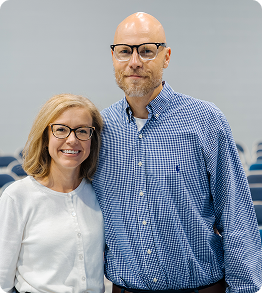
Hey there!
We’re Nashville Dyslexia Center, your go-to stop for online dyslexia tutoring. We’re here to help overwhelmed parents get the reading help they need. Our mission? To see your child thrive - both academically and personally.

TESTS OF DYSLEXIA
Concerned about dyslexia but unsure where to start? Get started with the diagnostic index.
VIDEO RESOURCES PLAYLIST

01. About NDC
Hear from two clients and their childs’ success.
02. Getting a Diagnosis
for dyslexia
03. Language Development
Insight from a Speech Language Pathologist
GET STARTED

READ THE LATEST POSTS

Inspiring Visit to the Children’s Dyslexia Center of Upper Wisconsin
Hey there! In the busy work of serving families affected by dyslexia, it can be easy to stay focused on our own programs, our own students, and our own day-to-day responsibilities. We can forget to pause. To listen. To learn from the people doing this work in different communities. That is why Erin and Steven’s…

Episode 1: Jacob Blumenstein of KidsRead2Kids
In Episode 1 of the Nashville Dyslexia Center series, Jacob Blumenstein, founder of KidsRead2Kids, shares his passion for helping struggling readers find confidence and joy in reading. This inspiring conversation explores how early experiences with literacy challenges can spark meaningful work, and how compassion, creativity, and structured guidance make a real difference for learners of…

Episode 2: Diagnosing Dyslexia with Dr. Jackie Klaver
Understanding whether a child has dyslexia can be both empowering and overwhelming for families. In Episode 2: Diagnosing Dyslexia with Dr. Jackie Klaver, the Nashville Dyslexia Center brings clarity to the dyslexia assessment process by talking with Dr. Klaver — an experienced neuropsychologist — about what evaluations involve, when to seek one, and how results…


WHAT DO YOU WANT TO READ TODAY?
Search
